
The Centers for Disease Control and Prevention recommends that you avoid travel until more people have been vaccinated. However, the Transportation Security Administration (TSA) notes that a growing number of Americans are deciding to travel, whether it be to visit relatives, go to a wedding, or take a long-awaited vacation. Many people book hotel rooms, raising questions about the risk of viruses on surfaces.
Even those who have been fully vaccinated can still feel anxious about germs while travelling. Mindy and Jeff Siegel from Connecticut booked flights to Boca Raton for two weeks following their second Pfizer vaccine. They knew that they would be fully protected against COVID-19.
Mindy still took the time to get out her disinfecting wipes from home and passed them along to the knobs, switches, lights, and remote controls when they arrived at the hotel. She says, “I wanted to clean things in a way that made sense. But we didn’t spend too much time scrubbing everything.”
Did she take prudent precautions or go too far? Experts weigh in on how to protect yourself against germs, particularly the coronavirus while staying at a hotel or vacation rental property.
Contaminated surfaces are not the main way the virus spreads.
Before the pandemic’s early days, before experts knew how coronavirus spreads in humans, disinfecting surfaces was the best way to prevent infection.
The CDC says that although it is possible to contract COVID-19 from touching contaminated surfaces, it is not a common method of transmission.
Scientists claim that the virus spreads mostly through person-to-person contact. This can happen when someone is coughing, speaking, or emitting respiratory droplets.
Tara Kirk Sell, PhD, is a senior scholar at Johns Hopkins Center for Health Security, Baltimore. “Respiratory transmission of COVID-19 is much more important than surfaces for spreading it,” she says.
She says that it’s not necessary to clean the hotel toilet or wash your luggage.
Overcleaning can pose a risk. Dr Sell warns that overcleaning can lead to health problems.
Light — but not Major — Smart Cleaning
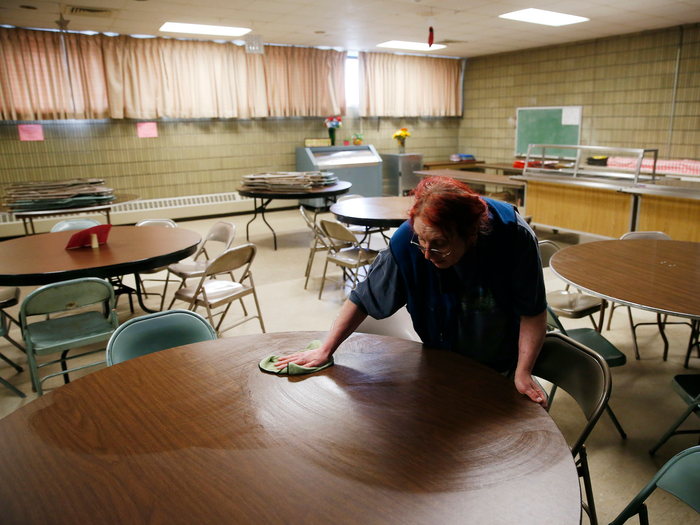
Although you don’t have to be a total germaphobe and clean every surface, it is important to disinfect the high-touch areas of a hotel room. Sell states that cleaning light switches, doorknobs, and remote controls are good to prevent norovirus and other germs.
Because they are easy to pack, antibacterial wipes make a great travel companion. You may want to disinfect your vacation rental property with a diluted bleach solution. The CDC recommends that you DIY one. Use 1/3 cup bleach (containing between 5.25 per cent and 8.25 per cent sodium hypochlorite per gallon of water) and follow safety protocols.
Allow the cleaning solution to sit on the surface for at minimum one minute before wiping it off.
If You Can
The best way to clean a vacation rental or hotel room is to open a window and breathe fresh air.
“Virus particles can be emitted from speaking, singing, coughing and sneezing into the air, and the tiniest droplets can linger on for hours,” Manhar Dhanak (PhD), the chair of ocean engineering at Florida Atlantic University, Boca Raton. He has documented the travel of coronavirus.
“The breeze will bring fresh air into your home if you open the windows,” Dr Dhanak says. This is very important, Dr Dhanak states.
Some rooms at upscale resorts have sliding doors that open to balconies. It is a great cleaning strategy to leave the sliding door open for several minutes after entering the room.
Windows in hotel rooms are not supposed to open because they were built for energy efficiency and not virus protection.
Decline Housekeeping Service for Short Stays
A hotel room is a great place to stay. If you are only staying for a few days, this service should be avoided. Experts advise that you don’t allow strangers into your room, even if they are wearing masks.
During the pandemic, many hotels have stopped paying for maid service. Instead, housekeepers leave shampoo and towels outside your door. They will only come in to clean if you ask.
The Siegels stayed at Boca Raton’s hotel for two weeks, but housekeeping was provided once a week at a prearranged hour. Their hotel enforces a three-hour minimum stay requirement for guests before cleaning staff can enter their rooms.
You can also postpone returning to your room for several hours until housekeeping is finished. If you are able, open a window to let in the fresh air.
Do Not Allow’ Hygiene Theater’to Make You Complacent
You may see employees in hotels stationed in the lobby with a spray bottle in hand. Although this can indicate that the hotel is serious about germ transmission, it could also indicate that they are attempting to impress guests with their hygiene theatre.
Sell values hotels that maintain high-touch surfaces in their lobby, such as the check-in desk and elevator buttons. It’s not necessary to spread harmful chemicals throughout the air.
Importantly, it would help if you viewed the lobby of a hotel as a way to get to your room during the pandemic.
Keep in Mind the Real Risk
Experts say that coronavirus exposure is more likely outside of a hotel room than inside.
Even if you are fully vaccinated, CDC suggests that you continue to wear masks when out in public. They also recommend that you avoid large gatherings and medium-sized people for the time being.
It would help if you were careful about the cleanliness of your hotel. However, activities that involve close contact with others — such as public transport, dining out, or going to the movies — need extra care. Sell states that you are more likely to get sick from these activities than staying in your hotel room.