
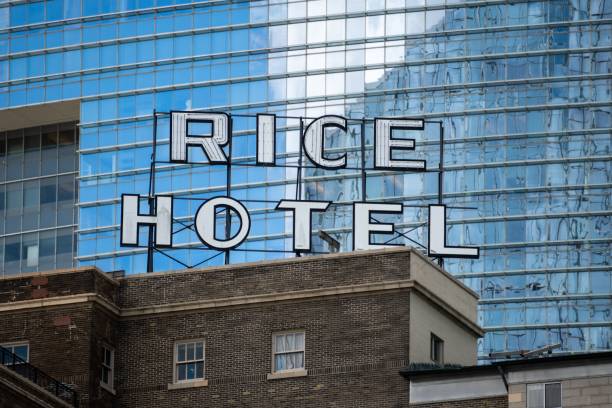
The hotel industry has undergone significant transformations over the past decade, driven by technological advancements, changing consumer preferences, and global economic shifts. This period has seen the emergence of new trends, innovative approaches, and challenges that have reshaped the landscape of hospitality. In this exploration, we will delve into key areas that have defined the evolution of the hotel industry over the last ten years.
1. Technology Integration:
One of the most notable changes in the hotel industry has been the pervasive integration of technology. Mobile applications, online booking platforms, and digital check-in systems have become commonplace, streamlining the guest experience. Hotels have increasingly adopted smart room technologies, allowing guests to control room features like lighting, temperature, and entertainment systems through their smartphones. Additionally, the use of artificial intelligence (AI) and chatbots has enhanced customer service, providing instant responses to inquiries and personalized recommendations.
2. Rise of Online Travel Agencies (OTAs):
The dominance of online travel agencies such as Booking.com, Expedia, and Airbnb has grown substantially over the past decade. These platforms have become go-to resources for travelers, offering a wide range of accommodation options, competitive pricing, and user reviews. Hotels have had to adapt to this changing landscape by optimizing their presence on these platforms and adjusting pricing strategies to remain competitive.
3. Changing Guest Preferences:
Consumer preferences have evolved, with an increasing demand for unique, personalized experiences. Guests are now seeking more than just a place to stay; they crave memorable moments and authentic connections. This shift has given rise to boutique hotels, eco-friendly accommodations, and themed experiences that cater to specific interests. Hotels have responded by investing in design, local partnerships, and curated experiences to differentiate themselves in a crowded market.
4. Sustainability Initiatives:
In response to growing environmental concerns, the hotel industry has made significant strides in adopting sustainable practices. Many hotels now focus on reducing their carbon footprint by implementing energy-efficient technologies, sourcing locally-produced goods, and minimizing waste. Certification programs for green buildings, such as LEED (Leadership in Energy and Environmental Design), have gained prominence, indicating a broader commitment to eco-friendly operations.
5. Emphasis on Wellness and Health:
Wellness has become a major focal point for hotels as travelers increasingly prioritize health and well-being. Many establishments now offer fitness centers, spa services, and wellness programs to cater to this demand. Additionally, there has been a surge in health-conscious dining options, including plant-based menus and allergen-friendly choices, reflecting a broader societal shift towards healthier lifestyles.
6. Short-Term Rental Disruption:
The rise of short-term rental platforms, exemplified by Airbnb, has disrupted the traditional hotel model. These platforms provide travelers with alternative accommodation options, often at a lower cost than conventional hotels. Hotels have had to adapt by offering unique amenities, emphasizing their service quality, and embracing a more personalized approach to compete with the convenience and affordability offered by short-term rentals.
7. Enhanced Focus on Hygiene and Safety:
The COVID-19 pandemic, which emerged in 2019, has had a profound impact on the hotel industry. Hygiene and safety have become top priorities for both guests and hoteliers. Enhanced cleaning protocols, contactless services, and stringent health measures have become standard practices. Hotels have had to invest in technologies like UV-C light sterilization and touchless check-in to reassure guests and adapt to the new normal.
8. Evolution of Loyalty Programs:
Hotel loyalty programs have evolved to offer more than just room discounts. Brands now strive to create comprehensive loyalty ecosystems, providing members with exclusive experiences, perks, and partnerships. This shift aims to build stronger emotional connections with guests, encouraging repeat business and positive word-of-mouth marketing.
9. Expansion of Boutique and Lifestyle Brands:
The past decade has witnessed a surge in the popularity of boutique and lifestyle hotel brands. These establishments focus on offering unique, design-driven experiences, often in non-traditional locations. Major hotel chains have responded by launching their boutique brands or acquiring existing ones, recognizing the value of catering to niche markets with distinct preferences.
10. Globalization and Market Expansion:
The hotel industry has experienced significant globalization, with emerging markets playing a crucial role in its expansion. Asia, in particular, has seen substantial growth in both domestic and international travel, leading to increased investment in hospitality infrastructure. Major hotel chains have strategically expanded their presence in key markets, capitalizing on the rise of middle-class travelers and changing demographics.
In conclusion, the hotel industry has undergone a remarkable transformation over the past decade, driven by technological innovation, shifting consumer preferences, and global events. As the industry continues to adapt to new challenges and opportunities, it is clear that those who embrace change, prioritize sustainability, and focus on delivering exceptional experiences will thrive in the dynamic landscape of hospitality.