
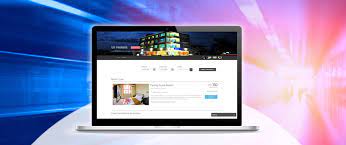
What exactly is a hotel booking engine, and how does it work?
A hotel booking engine, in simple words, is an application that can be found on hotels websites or social media pages and which allows you to make direct online reservations.
Online booking engines are your key to commission-free direct reservations; it’s a way for you to optimize your property’s sale strategy and maximize profit.
Online bookings are the norm for most travellers today. Hotels have become dependent on online travel agents to make their reservations. While listing on them can help you reach new audiences and increase bookings, each reservation will require a commission fee. Hotels, particularly independent ones, find it frustrating when this commission fee rises to over 20%. They lose their profits.
The hotel booking engine is a way to combat OTA dominance.
This blog will provide a comprehensive overview of booking engines for the hotel industry. It will explain how they work and how you can make your hotel use them to your advantage. You’ll also learn everything you need about pricing, features, and providers.
What is the working principle of an online booking engine?
A hotel website can be used to create an online booking engine. This allows you to process secure online reservations. This data is then transferred to your property management software so that you can view and manage the bookings.
You can sync the booking engine with your hotel website and your business’s Facebook page. This allows guests to book rooms from your hotel without going on any other website.
This is a great way for travellers to make reservations. The booking engine displays your rates and availability, and guests can choose their dates to finalize the reservation. It may also include other features, such as automatic confirmation emails for reservations.
The booking engine can be integrated with a channel manager to function and be managed the same way as online travel agents.
Online booking definition
Online booking makes it easy for travellers to book holidays and work trips. They will use the internet to search for hotels, flights and car rentals, attractions, and other information.
Online booking allows travellers to book and organize a whole trip in one go. Sometimes, they can even do it from one website. You can also create itineraries and plan your trip.
Organizations can use an online booking tool to manage their business travel online. Online booking tools allow companies to make bookings and view real-time information about their business travel spend. They can also track their travellers online, enforce their travel policies, and track them online.
Online booking is the best way to book your travel and pay securely. This streamlines the process for both you and your guests. It is also essential for increasing your exposure and getting you more bookings.
A web booking engine is essential.
You must allow guests to book rooms online, regardless of the hotel’s size, if you want your hotel to be competitive and remain open for business.
Modern-day accommodation providers offer this functionality to travellers, and they appreciate the ease and security it offers.
It’s because:
- Guests can self-serve. Travellers can quickly check which rooms are available and how much they cost without speaking to anyone.
- Guests trust online booking – Your booking engine can securely take credit card payments from guests. Guest data is stored in one place and is easily accessible.
- Online booking makes it easier for guests to book – There are no phone calls or emails, and there is no need to liaise with hotels for days before they confirm a booking.
- Guests seek direct booking perks. People often visit your website hoping that they will get something extra if they book directly. Many properties make this trade-off to reduce third-party commissions.
- It is more professional. Modern guests will be shocked if they cannot book online through your website. They’ll likely think you aren’t organized and book another property.
It is a great way to make bookings for your property through an online booking engine. You own all data and the relationship with guests who book directly. You can do everything you can to make them return visitors and book directly every time they visit. This is impossible without an internet booking engine.
You can increase the profitability of each guest one by one by securing their direct bookings and earning their loyalty.
Booking engine software has many benefits.
Booking engine software has a core message that direct bookings are the best, but more is to it.
The right booking engine is essential:
- A simple guest booking experience can help increase conversions
- Quick and simple setup can help you save time
- Instant integration eliminates the need for manual entry
- Data can help you make better decisions
- Competitors who don’t own one can have an advantage
These are just a few benefits that booking engine software offers hoteliers.
It increases your efficiency as an entrepreneur.
Your availability is instantly updated with PMS and channel manager integration upon receipt of a reservation. This applies not only to your system but also across all your channels.
It makes it easy for you and your staff.
An online booking system automates making reservations and responding to emails. Because everyone has access to current information, you can spend more time with guests and your staff.
You can collect valuable information about your guests
It is crucial to collect data, especially in a hotel where guests expect a personalized experience. Your hotel’s guest data will help you target the right guests and tailor your marketing campaigns.
It improves your guest experience at your property.
Cloud-based systems allow your guests to book their preferred room type online, using smartphones or tablets. It makes online room booking easy, enjoyable, and simple with its short forms and secure payment portals. This is your first impression of your hotel. It will impact their perception of your brand. If you want your guests to book online, it should be easy to use.
Booking engines are essential for your website.
Consider every successful working relationship you have ever had. Effective communication and cooperation are likely to be the common thread in successful relationships.
These same principles should be applied to your hotel business. Your chances of your systems synchronizing seamlessly in real-time are low.
Your website and booking engine are the two most important cogs of the machine. These two systems should be in sync if you don’t want to make customers confused, cranky, or have erratic results.
To be optimized:
- A website must have an online booking engine compatible with your site.
- Your website should have a “Book Now” button
- Your website experience and your booking engine should be consistent in terms of functionality and performance
- Your website design must reflect the quality of your booking engine and vice versa.
- With an updated SSL certificate, your website will be HTTPS-secure
There are many benefits to website and booking engine integration. These include:
- If your hotel wishes to be a viable alternative to third-party booking channels, it is essential that you can maintain a comparable booking experience on OTAs.
- A mobile-friendly platform that is consistent and easy to use, which will reduce friction for users
- Guests will have a quick and efficient experience as they don’t need to repeat the same actions or input the exact information twice.
- It’s much simpler to manage rates and reservations, as you don’t need to process between the systems manually. This eliminates any chance of making mistakes.
- Search engine optimization will bring you greater success because your content, functionality, and website pages will be optimized for both the booking engine and your website.
- You can get more traffic to your booking engine, and it will flow straight from your site in one click.
No matter which system you use, integration is something that you must always remember.
What features should you look for when booking a hotel?
Quality will differ from one hotel to the next. You’ll need to have the essentials covered.
These are some of the features you can expect from your booking engine.
- 25+ photos in your image gallery
- You’ll want to show off your hotel’s beautiful rooms after you’ve done all the hard work. The visual experience of guests when they visit your hotel’s rooms through photo galleries is a key factor in attracting them to book. If you want guests to book, it is essential to upload many high-resolution images to your gallery.
- Banner images
- What is the first thing you see on a website? It is the banner image that makes the first impression. You should be able to show a banner image on your booking engine.
- Facebook integration
- Booking engines should be easy to integrate with social media pages. This includes the book now button, making it simple for guests and their bookings to start.
- Room Order Auto Optimisation
- The best way to ensure your guests have a seamless, hassle-free booking experience is to show them their selected options. This feature shows the rooms based on your guests’ search criteria at the top of search results. It makes it easy for guests to book.
- Summary of Intuitive Booking
- A booking summary is a way to alert guests if they choose a room, not in their search criteria. Your guests will be engaged throughout the process and guided to make the best decisions.
- Google Analytics integration
- If you own hotel business, most of your bookings come from online. You need to know where they’re coming from and where they’re going. The success of your hotel website can be measured using data. Your booking engine should integrate Google Analytics to track your website visits and make informed decisions.
- Promo codes
- Promo codes can help you stay ahead of your competition by attracting more customers. You can create promotions using a booking engine and send a code to customers to get discounts. You can offer something unique during school holidays, local festivals, or corporate promotions with value-for-money deals. This will help to sell your rooms faster.
- Multilingual
- One of the most diverse industries in the world is the hotel industry. Your customers will choose the language they prefer, and language barriers should not hinder the booking process.
- Multi-currency
- There are many currencies where there are multiple languages! It should not be difficult to set up your booking engine to receive payments from your local currency.
- Extras
- You can upsell your rooms by selling extras. These are items and services you can offer along with your room. The basic rate can be kept low, but you can make extra money by selling additional services. For example, if your room rate is $100, you could offer the guest a $40 extra massage. This will make the offer more appealing.
- Hide unavailable rooms
- Sometimes customers may be turned off by the availability of more rooms than they want. You don’t always have to show them what isn’t available. Instead, give your guests all the information you have and let them choose from the options.
- Simple and quick reservation process
- When guests are ready to book a hotel room, their booking engine should provide a brief form that they can fill out. They shouldn’t be redirected elsewhere to make their booking or pay their bill.
- Mobile friendly
- Mobile bookings are increasing in popularity. Your hotel booking software should be able to handle mobile bookings.
8 reasons why you need an online booking system for hotels
There are many reasons to use an online booking system for your hotel. Let’s discuss the benefits and the problems that this technology can solve.
An online booking system for hotels is essential:
1. Your property can be booked instantly through your hotel’s website
Research has shown that guests will compare the websites of both OTAs and property websites to help them make a decision. You can increase your chances of guests booking directly through your website by making it easy for them to do so.
2. So, you don’t have to rely on OTAs.
OTAs can be a great way to get your name out there. Although your property appears in search results for your destination, guests will find you trustworthy. However, it may limit your revenue if all your bookings are made through third parties. You can take control of your earnings and get some bookings through your channel.
3. To pay far less commission
Bookings made through your property website will cost you less than bookings through an OTA. Direct bookings can have a significant impact on your bottom line.
4. To increase your bookings
Guests are more likely to book your property if you have an embedded booking engine. Your booking engine can be accessed 24/7 while your front desk is closed. This allows customers to book regardless of their time zone. Secondly, when travellers arrive on your website, they can click and reserve – instead of going back to the OTA and being distracted by other options.
5. You can accept credit cards and make payments easily.
An online booking system has the advantage of allowing guests to pay by credit card. The system will automatically process the reservation details, saving you both time and hassle. This includes additional payments such as deposits and charges for additional services, like breakfast or cleaning fees.
6. Control the guest experience throughout the customer journey
The content you choose is what they will interact with from the moment they land on your property website. This allows you to use your branding throughout the process and plays a crucial role in making their experience positive.
7. To allow guests the ability to pay in their native language and currency
Online booking engines allow your customers to book in their preferred language and make payments in the most convenient currency for them. This allows them to feel the comfort and ease of use they desire, and it sets their expectations before they even arrive at your property.
8. You can be flexible about the types of promotions you offer.
With a click, your booking engine can set up last-minute discounts and extended stays. These types of offers increase loyalty and the likelihood your guests will leave positive reviews and have a great experience.
How to select hotel booking software
There are many providers of hotel booking systems and hotel technology. The market can be very saturated. It is important first to ask yourself what you want and then inquire about the availability of hotel booking software vendors that can provide it. When making such an investment, value for money should always be considered.
When comparing the design of your hotel booking engine with other available booking engines, there are some best practices you should consider.
What should you be looking for in a booking engine to help you evaluate your options?
- To ensure a seamless reservation experience, tailor your hotel brand.
- It takes only two steps to book.
- Multi-language and currency conversions for international guests
- To reach travellers on the go, mobile-friendly and compatible with Facebook.
- You can upsell to offer more personalized stays and increase revenue per customer.
- Google Maps integration to let guests find you
- Emails that can be customized – confirmation, pre-arrival and after-departure
- Integration with CRSs and PMSs for instant updates on rates, availability and special offers
- You can use payment gateway options to make real-time deposits directly into your bank account.
- Integration with all your booking sites via a channel manager
- Google Analytics, Google Adwords, and eCommerce tracking allow you to analyze the direct booking trends.
- A prominent, visible ‘Book Now” button should follow a simple, short form that includes a payment processing element.
A few other non-functional features can also make a difference. These include encryption to prevent bots from booking, user assistance in filling out mandatory fields, search results populating in a reasonable amount of time, and an easy way for users to track documentation.
Software for booking hotels free
Although hotel booking software is not free forever, some providers can get a free trial period.
You can try the software for free and not have to pay anything.
Your chosen provider will offer a 14-day free trial that will help you set up, train, and provide support. It shouldn’t take more than a few days for the process to be up and running. You will be provided with support 24 hours a day so that your business does not suffer any revenue losses.
After the free trial ends, a reliable provider will offer you the option to pay a flat monthly fee. This is not a locked-in contract. You need to use the product and feel confident in its results.
The key takeaways
- A hotel booking engine allows you to make direct online reservations by using an application available on hotels websites or social media pages.
- A hotel website can be used to create an online booking engine. This allows you to process online reservations through your website securely. This data is then transmitted to your property management system.
- Modern-day accommodation providers offer this functionality to travellers, and they appreciate the ease and security it offers.
- Your booking engines and website should be compatible if you don’t want to make mistakes, give inconsistent results, or have confused or cranky customers.
- It is important to research the benefits and features of hotel booking software thoroughly.
- Ask yourself what you want, then inquire about hotel booking software vendors to see if they can provide it.
- You can try the software for free without having to pay anything.